Am I a Good Candidate for Home Birth? (Low-Risk Pregnancy Criteria)
One of the most common and most important questions expecting parents ask before choosing home birth is whether they're actually a good candidate. It's the right question to ask, and a responsible midwife will ask it too, throughout your entire pregnancy, not just at your first visit.
At Wild Moon Midwifery, serving Leland, Wilmington, and throughout Brunswick and New Hanover Counties, NC, candidacy for home birth is based on ongoing risk screening — not a one-time checklist you either pass or fail.
What makes someone a good candidate for home birth with Wild Moon Midwifery
Home birth care is designed for low-risk, uncomplicated pregnancies. Wild Moon Midwifery continuously monitors you throughout pregnancy and labor to confirm home birth remains the right and safe choice — and is upfront with you if anything changes.
The following conditions would require a higher level of care and aren't compatible with a safe home birth:
Prior cesarean section
Twins or multiples
High blood pressure
Breech presentation at delivery
Placenta previa
Bleeding or clotting disorders
Liver, lung, kidney, or heart disease
Insulin-dependent diabetes, or gestational diabetes requiring medication
Previous Rh sensitization
Hyperthyroidism requiring medication
Severe, current, untreated psychiatric illness
BMI over 40
Unmanaged seizure disorder, or a prior seizure during labor
Active sexually transmitted infection or blood-borne illness
Significant drug or alcohol addiction or abuse
Fetal growth restriction
Certain abnormalities found on fetal ultrasound
This list isn't exhaustive, and it isn't meant to be a self-diagnosis tool — if you're unsure whether something in your history applies, that's exactly what the free home birth consultation is for.

Why this is an ongoing conversation, not a one-time decision
Pregnancy isn't static, and neither is risk. A pregnancy that starts out low-risk can develop complications, and a responsible midwife is trained to catch those changes early through regular prenatal monitoring — vitals, lab work, fetal growth and position checks — at every visit. This is part of why home birth midwifery visits tend to run longer than a typical OB appointment: there's more time built in to actually watch for the things that would change your risk status.
If something changes that falls outside the scope of safe home birth, the responsible path is a transfer of care to a hospital setting — planned ahead of time, not as an emergency scramble. A good home birth midwife has an established relationship with a local hospital for exactly this reason, and will talk you through what would trigger a transfer long before you're in labor.
What doesn't automatically disqualify you
It's worth saying plainly: a lot of people assume they're not a candidate for reasons that don't actually rule out home birth on their own — a first pregnancy, being a bit older, wanting pain relief options, in some cases. Candidacy is genuinely individual, which is why a real conversation with a midwife matters more than a generic checklist.
The best way to know for sure
Because candidacy depends on your specific health history and how your pregnancy unfolds, the most accurate answer comes from an actual consultation — not a blog post.
Curious whether home birth could be a safe option for your pregnancy?
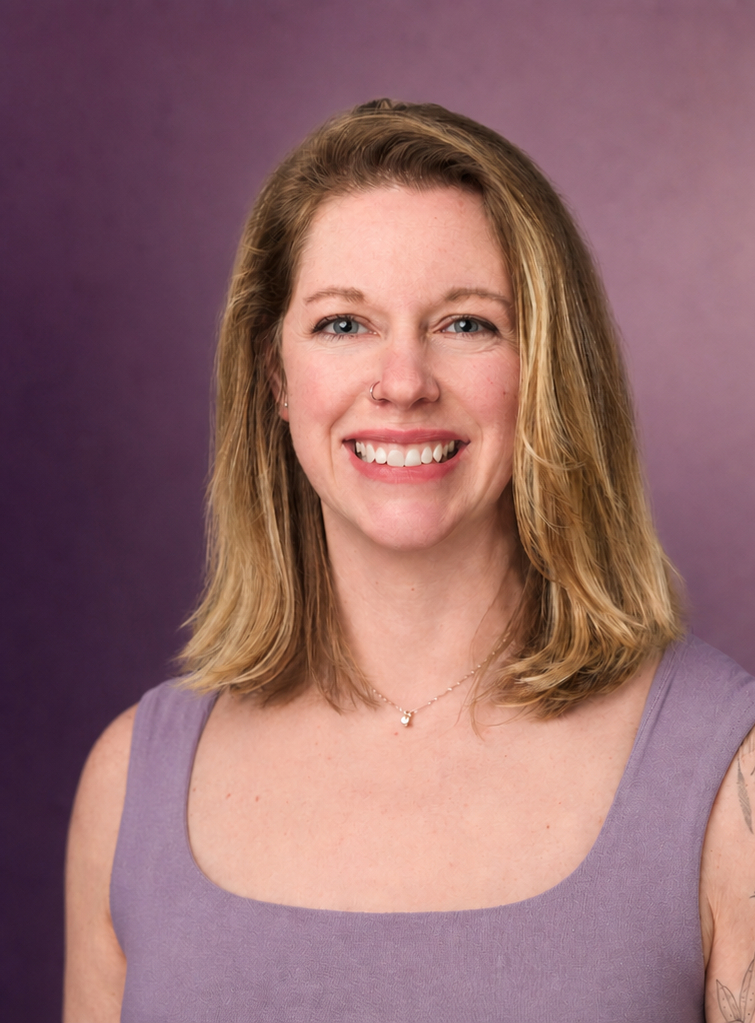
About the Author Casey Hartell, DNP, CNM, WHNP, is the founder of Wild Moon Midwifery, providing home birth and women's health care throughout Leland, Wilmington, and throughout Brunswick and New Hanover Counties, NC. A former U.S. Navy nurse who deployed aboard the USNS Comfort, Casey completed her doctoral training at Georgetown University, with a concentration in Women's Health and Midwifery, and brings four years of hands-on birth experience — including two years at a freestanding birth center — to every family she serves.


Comments