Is Home Birth Safe? A Guide for Protective Dads-to-Be
You're not the only one asking these questions
Somewhere in the last few months, your partner told you she wants to have this baby at home. And somewhere in your head, a dozen worst-case scenarios started running on a loop — because you love her, and you love this baby, and "what if something goes wrong" isn't paranoia. It's you doing your job.
Nobody's asking you to just trust the process. You're allowed to want real answers before you're on board. So here they are — not talking points meant to ease your mind, but the actual facts, the actual equipment, and the actual plan for what happens if things don't go perfectly.

Your instinct to worry makes sense — here's what it's missing
If the only births you've ever actually seen are the ones on TV — someone screaming, a gurney sprinting down a hallway, a monitor flatlining while a doctor yells for help — it's no wonder home birth sounds terrifying. Television needs a crisis to hold your attention, so it shows you the rare births that go sideways and quietly treats that as normal. In reality, most births aren't an emergency in progress. They're a slow, ordinary family event — hours of waiting, resting between contractions, and small progress, ending with a healthy baby.
That skewed baseline is part of why "hospitals have doctors and machines, houses don't" feels like the safer assumption by default. It's not a wrong instinct — it's just working off incomplete information: about who's actually managing a low-risk hospital birth (usually a nurse checking in periodically, with a doctor or midwife nearby but not in the room), and about what a qualified home birth midwife actually brings into your home.
The honest answer to "is home birth safe" isn't a blanket yes. It's: safe for the right candidate, attended by the right provider, with a real plan for when things need extra help. That's what you're being asked to evaluate — not a leap of faith, but a specific standard. Here's how Wild Moon Midwifery measures up against it.
What the research actually shows
The largest study of planned home births in the U.S., published in the Journal of Midwifery & Women's Health, followed nearly 17,000 people who planned a midwife-attended home birth. For lower-risk pregnancies — no prior cesarean, an experienced mother, a single baby positioned head-down at term — outcomes were reassuring and comparable to what's reported for low-risk hospital birth.
Three things consistently separate a safe home birth from a risky one, and none of them are about the house itself:
Who qualifies. Home birth is appropriate for low-risk, healthy pregnancies — a singleton baby, head-down, at term, without complications that call for continuous hospital monitoring. Confirming your partner stays a good candidate the whole way through — not just at the first visit — is part of the midwife's job.
Who's attending. Provider training and equipment access make a measurable difference in outcomes. This is where credentials matter, and it's worth knowing exactly what Casey's are.
How well the system is connected. Research comparing U.S. and international home birth outcomes points to one big variable: how smoothly a home birth midwife can transfer care to a hospital when needed. A clear transfer plan isn't a backup for a shaky system — it is the system working the way it's supposed to.
What's actually in the room with you
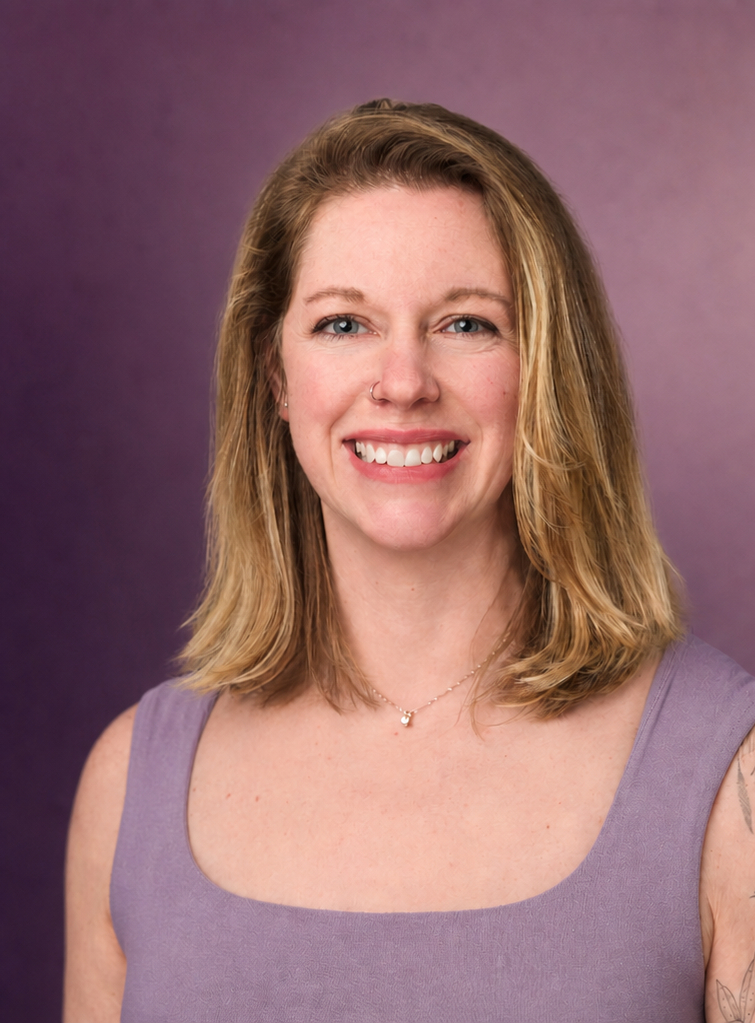
Casey is a Certified Nurse Midwife (CNM) with a Doctor of Nursing Practice. She completed a nursing degree, then a graduate-level midwifery program, and holds national certification. This training means she's held to the same clinical and regulatory standards as CNMs in hospital settings, with oversight from the same regulatory bodies.
Emergency equipment is already there before labor starts. Every Wild Moon birth is attended with oxygen, hemorrhage medications, and neonatal resuscitation equipment on hand — the same categories of tools a hospital L&D nurse would reach for in the first critical minutes of a complication. The plan isn't to hope you don't need them. It's to already have them in the room.
There's a real plan if a hospital is the right call. If a transfer becomes necessary, a member of the Wild Moon team goes with you — into the hospital, not just to the door — to advocate for your partner, stay through the transition, and pick postpartum care back up at home once you're settled. A transfer isn't the plan failing. It's the plan working exactly as designed.
Your actual questions, answered directly
"What if something goes wrong during labor?"
Casey is trained to catch warning signs long before they become emergencies — that's most of what prenatal care and continuous labor support are actually for. If something moves outside the range of normal, she has the medications and equipment to respond immediately, and a clear line for when a hospital can do more than a home birth can.
"What if you need to transfer to a hospital?"
Then you go, and you're not doing it alone — Casey or Tamera goes with you. Most transfers aren't dramatic; the most common reason is labor simply taking longer than expected to progress, not an emergency. There's a plan for it in advance specifically so it doesn't feel like a crisis in the moment.
"Is this safe for a first baby?"
First-time parents can be excellent home birth candidates. Research shows slightly higher rates of things like longer labors or occasional transfers compared to experienced mothers — which is exactly why close monitoring and a lower threshold for caution matter more for a first birth, not less. Casey adjusts her attention accordingly.
"What happens if there's heavy bleeding after birth?"
Postpartum hemorrhage is one of the specific scenarios midwives train for. Hemorrhage medications and IV supplies are part of every birth kit, Casey watches bleeding closely through the third stage of labor no matter how it's managed, and she's trained to recognize and treat it immediately — the same first response a hospital team would use, just started sooner because she's already there.
"What if the baby needs help breathing right after birth?"
Neonatal resuscitation equipment is part of the standard setup at every birth, and Casey and her birth assistants are trained in newborn resuscitation. Most babies who need a little help simply need stimulation and support to transition — which she's equipped and trained to provide on the spot.
"What are Casey's actual qualifications?"
Casey Hartell is a Doctor of Nursing Practice, Certified Nurse Midwife, and Women's Health Nurse Practitioner (DNP, CNM, WHNP). North Carolina law designates CNMs as the licensed provider for home birth attendance. Tamera Cole, a Certified Professional Midwife, supports the practice as a birth assistant.
"Is this even legal and regulated?"
Yes. Licensed CNM-attended home birth is legal in North Carolina, and Casey practices within that licensure and its regulatory oversight — the same accountability structure that governs hospital-based CNMs.
"What if labor just doesn't progress?"
This is the most common reason for a hospital transfer, and it's rarely an emergency — it's a judgment call about time and options. Casey walks through exactly what "not progressing" looks like and what the choices are well before labor starts, so it's never a surprise decision made under pressure.
"What does this cost, and does insurance cover it?"
Wild Moon's home birth package is a flat $8,000, cash-pay. Wild Moon is not in-network with insurance, but FSA/HSA cards are accepted, and you'll get an itemized superbill to submit yourself for possible reimbursement. A payment plan is available so the full balance isn't due at signing.
You're invited to ask this in person, too
You don't have to take an article's word for any of this. Casey offers consults specifically so partners can ask their own questions directly, hear the real answers, and judge for yourself whether this feels like the right fit for your family. Come with your list of questions!
Ready to see for yourself? Book a consult with Casey
or call (910) 601-9554.
Serving Wilmington, Leland, and Brunswick & New Hanover Counties, NC.


Comments